About EDUSCAPEVR
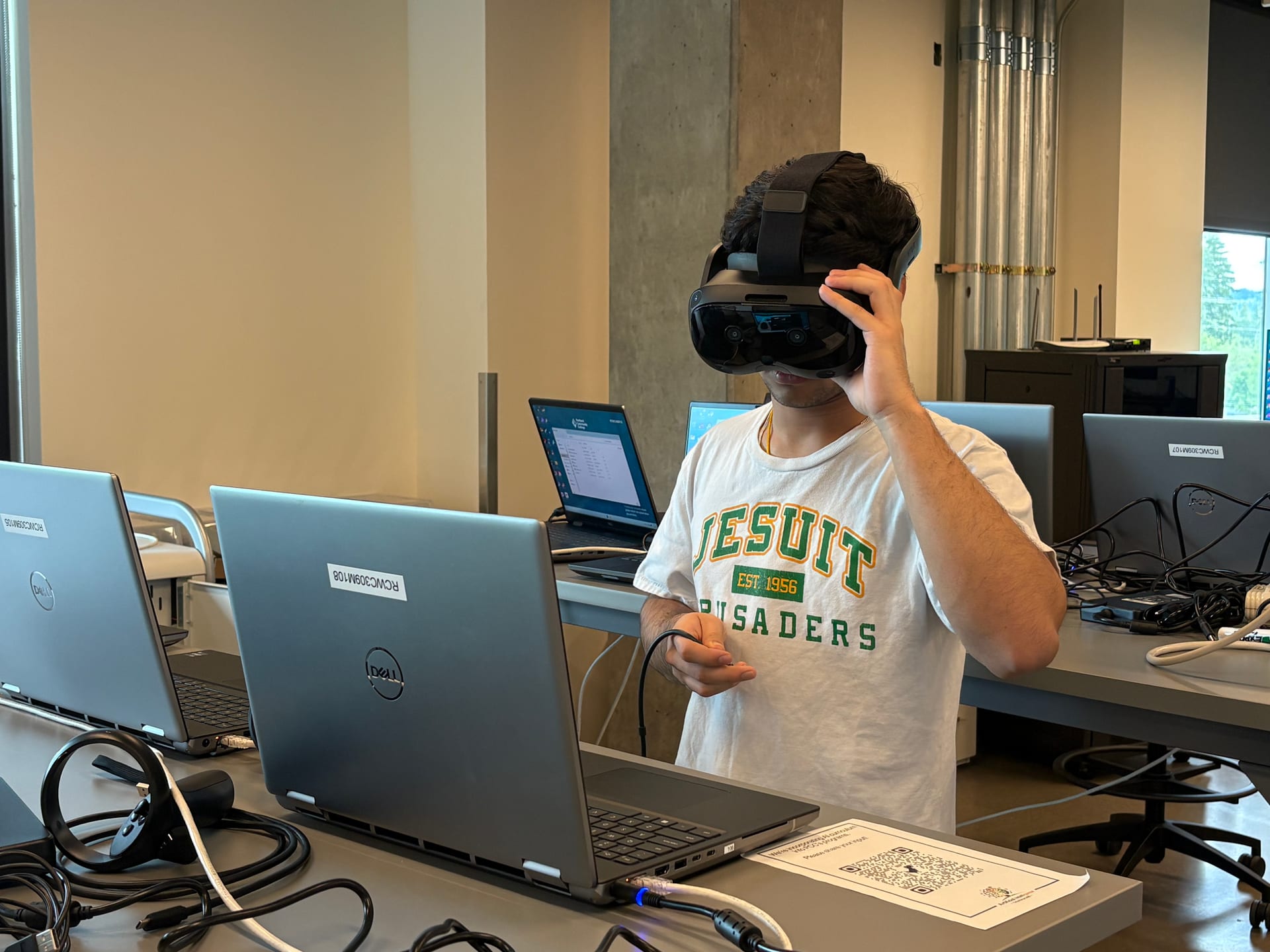
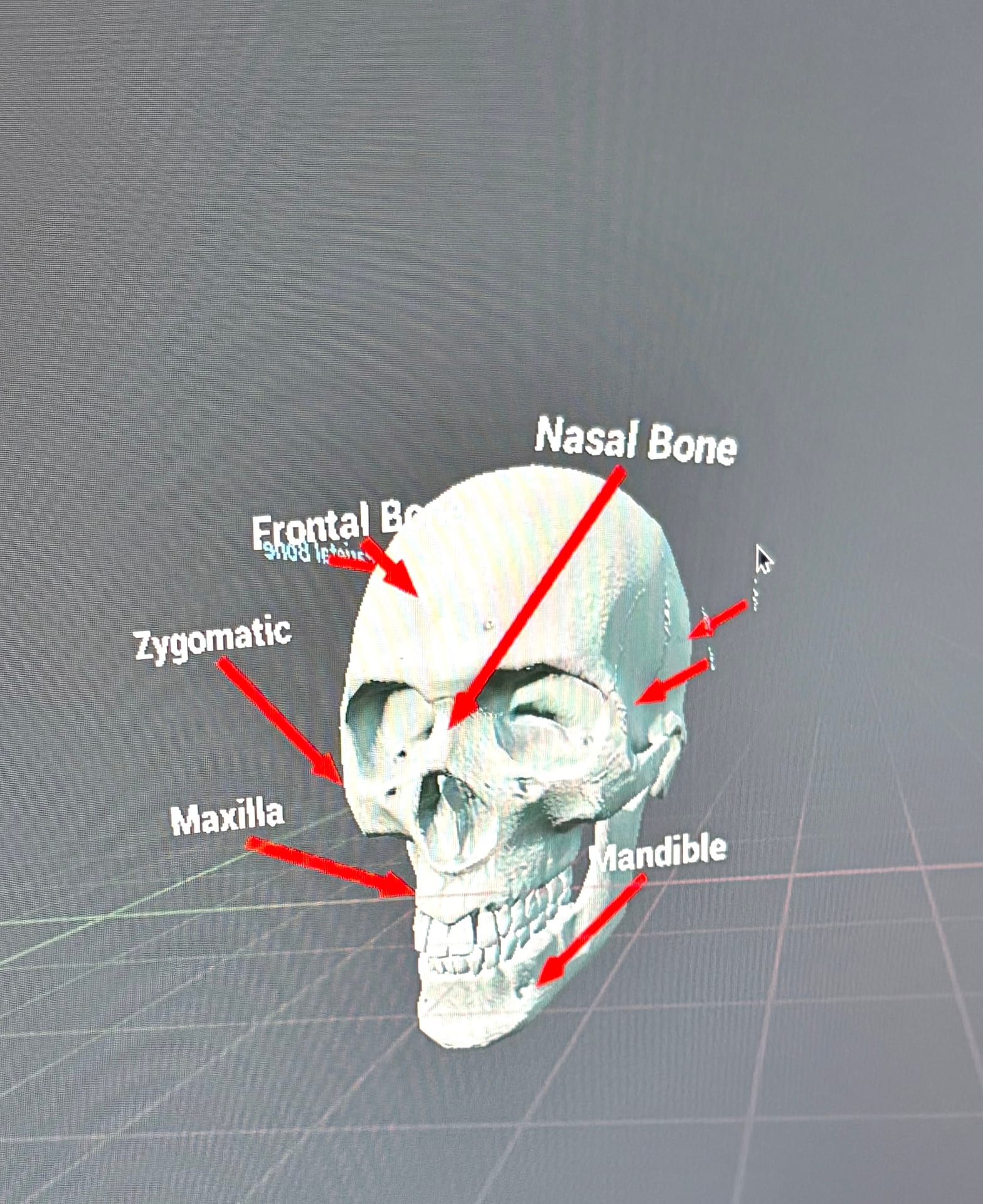
During the summer after my ninth grade year, I wanted to work in a research lab where I could learn more about the applications of computer science. While searching for a mentor, I was fortunate to connect with Dr. Datta at the University of Houston–Clear Lake (UHCL). At that time, her laboratory was developing virtual reality resources for microbiology education. When I approached her, she encouraged me to learn C++ and Unreal Engine, suggesting that I develop a virtual reality platform focused on an educational topic of my choice. I chose to develop a virtual anatomy laboratory for healthcare education, beginning with the skeletal system. My interest in healthcare education, however, began many years earlier. When I was in fourth grade, my grandfather suffered a massive stroke. I saw how much my family struggled to find a physical therapist who could provide care at home after he was discharged from the hospital. Since then, I have often wondered why there exists such a shortage of healthcare professionals, despite there being so many students interested in pursuing healthcare careers. As I looked further into this question, I came across a 2016 paper published by the Human Anatomy and Physiology Society. Hull et al. discussed how students enter Anatomy and Physiology courses with different levels of scientific preparation, and how these differences may influence their academic success. As I read this paper, my thought process shifted from thinking about simply creating an engaging platform to addressing an actual educational problem. When the opportunity to create an educational virtual reality platform arose, I wanted to use it to address that need. If students begin Anatomy and Physiology with different levels of preparation, they also need opportunities to learn at different paces and revisit challenging concepts as often as necessary. Thus, I was influenced to develop a virtual reality learning environment – not as a replacement for cadaver-based or traditional laboratory experiences, but as an accessible, reusable supplement. Through active three-dimensional exploration, students can manipulate anatomical structures in real time, examine them from different perspectives, review labeled landmarks, and practice independently at their own pace. What began as a summer research project has since grown into EduscapeVR. I am grateful to the nursing and healthcare students in the Portland area who were willing to try the skeletal system virtual laboratory and share their feedback. I am also thankful to the University of Portland and Portland Community College for supporting the project and providing opportunities for students to use the VR platform. As reflected in the reviews, many students reported that the experience helped them feel more confident, understand anatomical structures more clearly, and prepare for their examinations. Their encouragement has motivated me to continue developing additional educational experiences. Currently, EduscapeVR includes the skeletal system laboratory, and the development of the muscular system lab is underway. In the coming years, I hope to recruit collaborators who can help create immersive learning projects in additional areas of healthcare education. My hope is that immersive technology can form a stronger understanding of anatomy, build confidence in students’ abilities, and ultimately prepare the next generation of healthcare professionals.

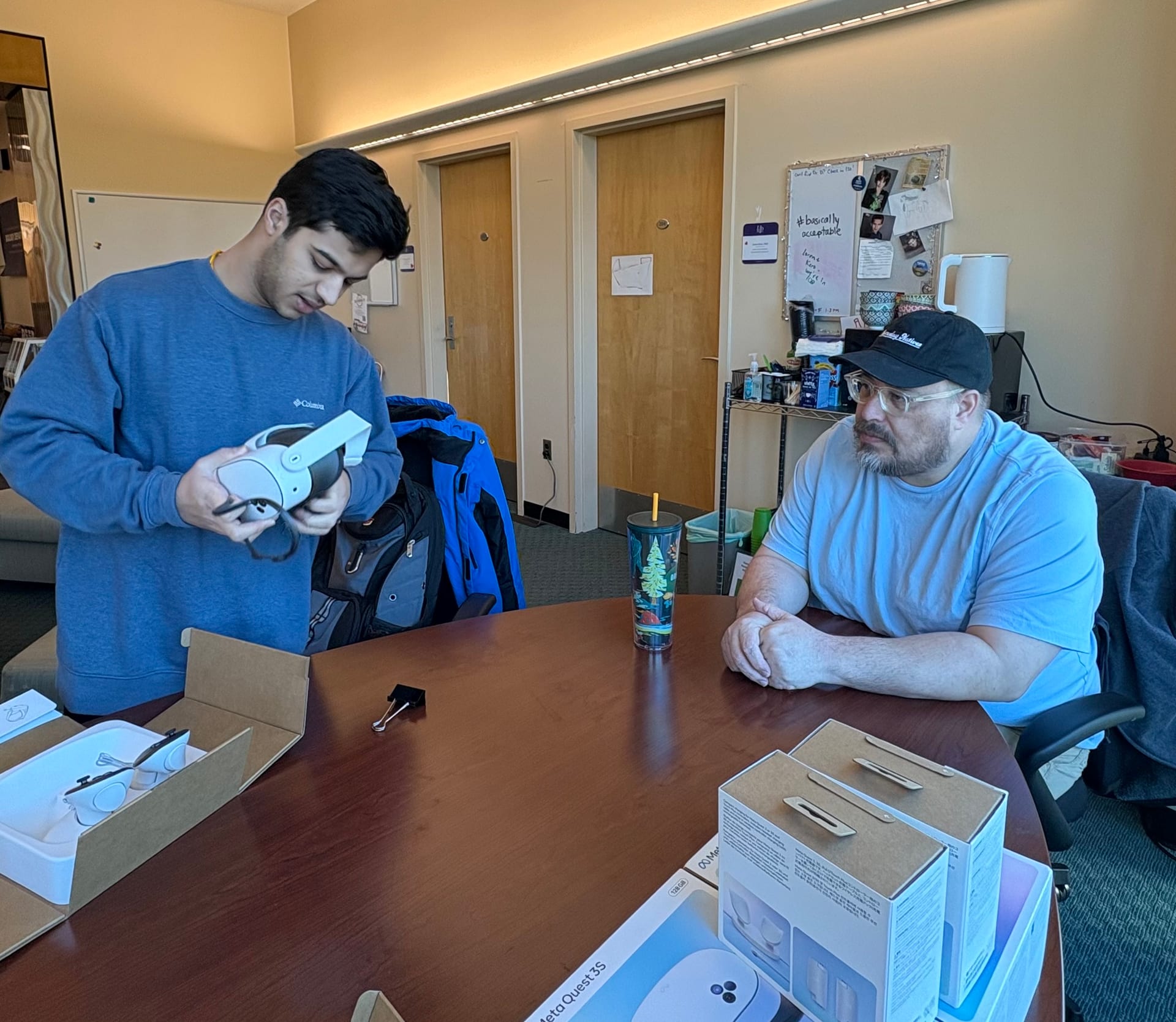
Our Team